Many women walk around feeling tired, heavy, or overwhelmed without knowing exactly why. You might be doing “all the right things” on the outside, yet something still feels off inside.
The truth is, a lot of emotional stress does not come from your own life alone. It comes from carrying other people’s feelings, problems, and moods as if they were your responsibility.
Over time, this emotional weight adds up. It can leave you drained, resentful, and unsure why simple interactions feel so exhausting.
The good news is that once you can see the pattern, you can start to change it. Let’s walk through what this looks like and how to begin setting that weight down.
7 Ways You Take On Other People’s Emotions Without Realizing It
Many women learn early on to be “the understanding one.” While empathy is a strength, it can turn into emotional overload when you absorb what others are feeling.
1.You feel tense when someone else is upset. When someone close to you is in a bad mood, your body reacts as if the problem belongs to you. Your shoulders tighten, your thoughts race, and you feel pressure to fix things.
2. You change your mood to match the room. If the energy around you is heavy, your own mood drops. If others are anxious, you become anxious too, even when nothing is actually wrong in your own life.
3. You replay conversations long after they end. A small comment or tone of voice sticks in your head. You keep wondering if you said the wrong thing or hurt someone without meaning to.
4. You try to cheer people up, even when you are tired. Instead of allowing yourself to rest, you take on the role of emotional support for others, even when you have little energy left.
5. You feel guilty for feeling okay when others are not. When someone around you is struggling, enjoying your own peace can feel wrong. It is as if your calm must wait until everyone else feels better.
6. You sense emotions before people speak. You pick up on shifts in tone, body language, and silence. While this awareness can be helpful, it can also make you feel responsible for what you sense.
7. You carry other people’s worries in your mind. Problems that do not belong to you take up space in your thoughts. Even when you cannot change the outcome, your mind keeps holding onto the concern.
6 Signs You Feel Responsible for Everyone’s Feelings
Emotional weight often grows when you believe it is your job to manage how others feel. This belief can form quietly and feel normal, even though it takes a real toll over time.
1.You apologize quickly, even when you did nothing wrong. Saying sorry becomes a habit because it feels easier than sitting with possible tension.
2. You soften your truth to avoid discomfort. Instead of saying what you need, you adjust your words so others will not feel upset or disappointed.
3. You step in to fix problems that are not yours. When someone is stressed, you rush to offer solutions, even when they did not ask for help.
4. You feel uneasy when someone is disappointed. Their disappointment feels personal, even if the situation has little to do with you.
5. You take on emotional roles in your family or friend group. You become the listener, the peacemaker, or the one who holds everyone together.
6. You feel relief when others are okay. Your sense of calm depends on how others are doing, which can keep your nervous system on edge.
5 Boundaries That Stop Emotional Overload Before It Starts
Boundaries are not walls. They are simple lines that help you care about others without losing yourself in the process.
1.Let feelings belong to the person who is feeling them. You can care without carrying. When someone shares a problem, remind yourself that the emotion belongs to them, not to you.
2. Pause before jumping in to fix things. Instead of rushing to solve, take a breath. Sometimes people need to be heard more than they need to be rescued.
3. Give yourself permission to rest. You do not need to earn rest by being emotionally available to everyone else. Your energy matters too.
4. Speak your needs clearly and calmly. Sharing what you can and cannot offer builds honest connection. It also prevents quiet resentment from building up inside you.
5. Create small spaces for emotional reset. A short walk, a few deep breaths, or quiet time alone can help you release emotional weight that builds up during the day.
9 Subtle Habits That Keep You Carrying More Than Your Share
Some patterns feel so normal that you may not notice how much they add to your emotional load.
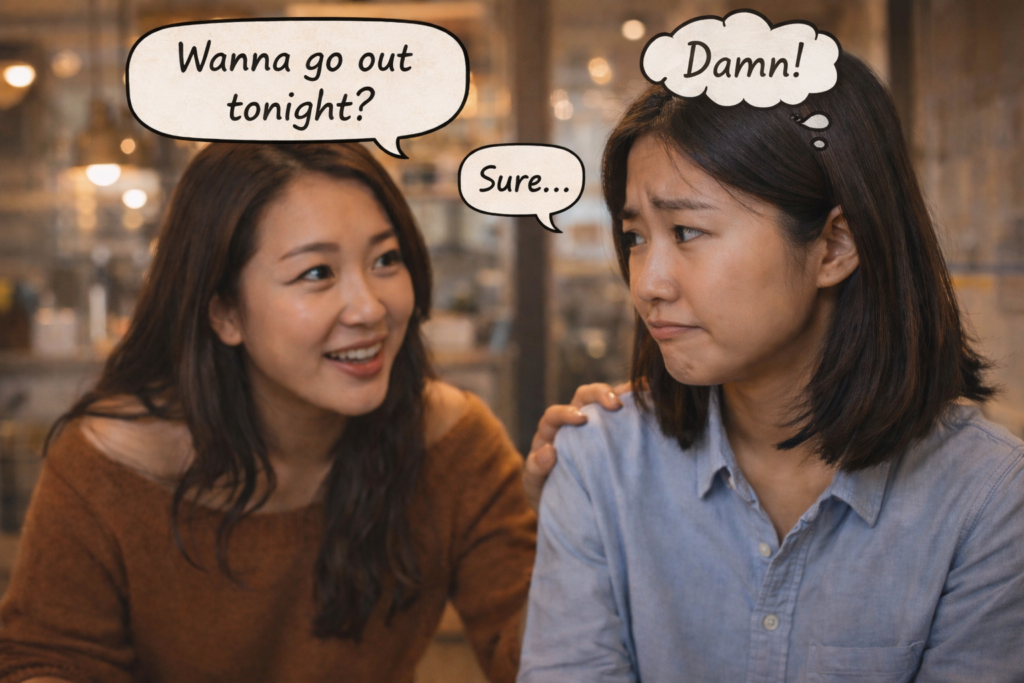
Saying “yes” when you want to say “no”
Checking in on others while ignoring your own needs
Holding space for everyone but yourself
Overthinking how your actions affect others
Taking on responsibility for other people’s moods
Avoiding honest conversations to keep the peace
Feeling uneasy when there is conflict around you
Putting your feelings on hold to make room for others
Believing it is selfish to step back when you feel overwhelmed
Many of these habits come from a deeper pattern that often goes unnoticed. It is the habit of holding space for everyone else while quietly setting your own needs aside. Understanding this pattern can bring clarity to why emotional weight builds so quickly.
What It Means to Hold Space for Everyone but Yourself
Holding spacemeans being emotionally present for others. It looks like listening, offering comfort, and staying steady when someone else is struggling. On its own, this can be a healthy part of relationships. The problem starts when you become the place where everyone unloads, while your own emotions are left without room.
When you hold space for everyone but yourself, you may notice that you rarely pause to check in with your own feelings. Your needs get pushed to the side so you can stay available to others. Over time, this creates a quiet imbalance. You show up for everyone else, yet you feel unseen or unsupported in return.
This pattern often comes from care, empathy, and a desire to keep peace. It can also grow from past experiences where your role was to stay strong or keep things calm. Even when it began as a way to survive, it does not have to stay your default way of living. Creating space for your own emotions is not selfish. It is how you keep your emotional well-being intact.
If this pattern feels familiar, this is a good place to begin choosing yourself with a little more care.
Learning to Put the Weight Down
Letting go of emotional weight does not mean you stop caring. It means you start caring in a healthier way. When you allow others to hold their own feelings, you create room to hold your own life with more care and attention.
This shift happens slowly. It begins with noticing when you are carrying more than your share. From there, you can practice small changes that protect your energy while still honoring your compassion. Over time, this creates a sense of emotional freedom that feels lighter and more grounded.
You deserve to move through your days without carrying everyone else on your shoulders. The more you practice setting that weight down, the more space you create for your own peace.