This post contains affiliate links, which means I may earn a small commission at no extra cost to you if you purchase through them. I only recommend products I truly love and think you’ll vibe with too. Check out our privacy policy and disclosure here.
An actual school supply list for the 2025-2026 school year
Back to school season is here again, and for many parents, that means facing another round of spending decisions—often under financial pressure.
With inflation at an all-time high and the new school year fast approaching, families are rethinking what’s truly essential. And when it comes to school supplies, not everything on that long list is actually worth buying.
School supply lists are often extensive and push parents to purchase extra items that aren’t really essential. With the growing trend of communal supplies — where parents purchase items that are shared by the entire class — it’s even harder to justify spending your hard-earned money.
Additionally, parents face the frustration of not knowing if their child will actually have access to the items they bought once they are distributed among all students.
As a teacher, I’ve watched parents spend hundreds of dollars on back to school supplies—only to see half of it go unused, handed off to other students, or tossed in the trashcan by the end of the year.
If they knew how much of their hard-earned money never actually ends up in their own child’s hands, they’d absolutely lose their sh*t.
I get why they buy what’s on the list, but I also know what’s really needed—and what’s just taking up space (and money).
Now before I move forward with the following list of “money wasters,” I must tell you this:
I’m not writing this as a know-it-all. I’m writing it as someone who sees what happens behind the scenes and cares for you.
You can spend your money however you want—but if this helps even one parent save a little cash and skip the fluff that just ends up in the dumpster, then it’s worth saying.
Here’s a list of the 10 most wasteful school supplies that parents are often asked to buy at the beginning of each school year, and the best practical Amazon alternatives to save you money without sacrificing quality.
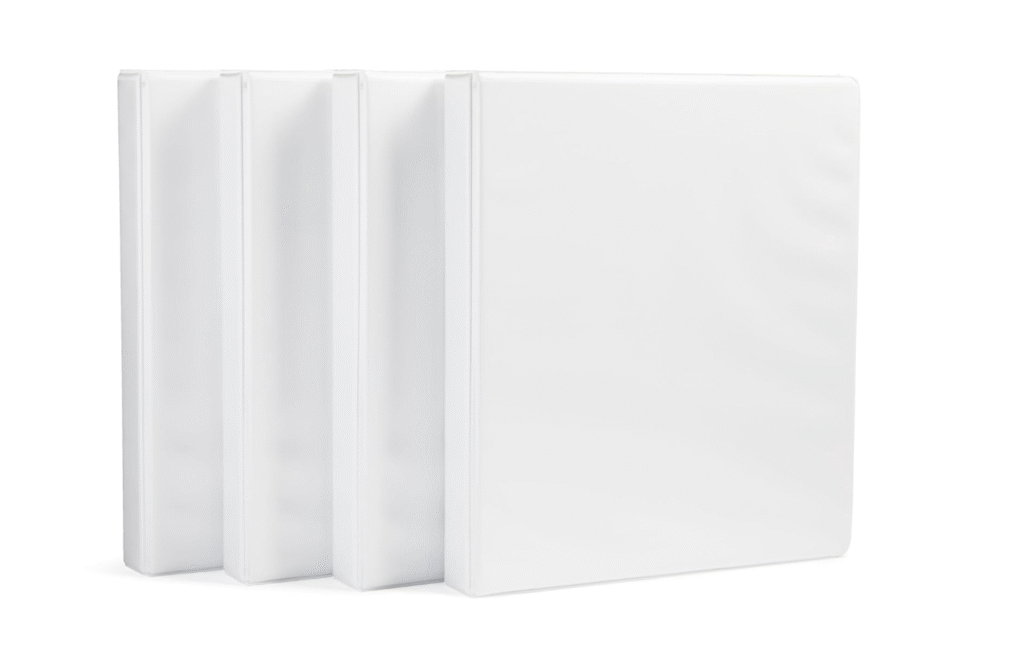
Why It’s a Waste: Fancy binders with multiple sections can be expensive and bulky. Many students end up not using all the sections, making them an inefficient choice.
Solution: Opt for simple, single-section binders or durable folders. These are more practical, less expensive, and easier for children to manage.
Why It’s a Waste: Boxes of Kleenex are often bought in multiples and added to the communal supplies pile, meaning your hard-earned dollars are supplying the entire classroom whether you know it or not.
Additionally, some students keep their own Kleenex boxes, opting to use the communal supply instead.
By the end of the school year, when it’s time to clean up and clear out, you might find that the same brand-new pack of 6 Kleenex boxes you bought back in August/September is still sitting unused in May/June.
Solution:Instead of buying large quantities, consider contributing one or two boxes.. This ensures you are not solely supplying the class while still participating in communal needs.
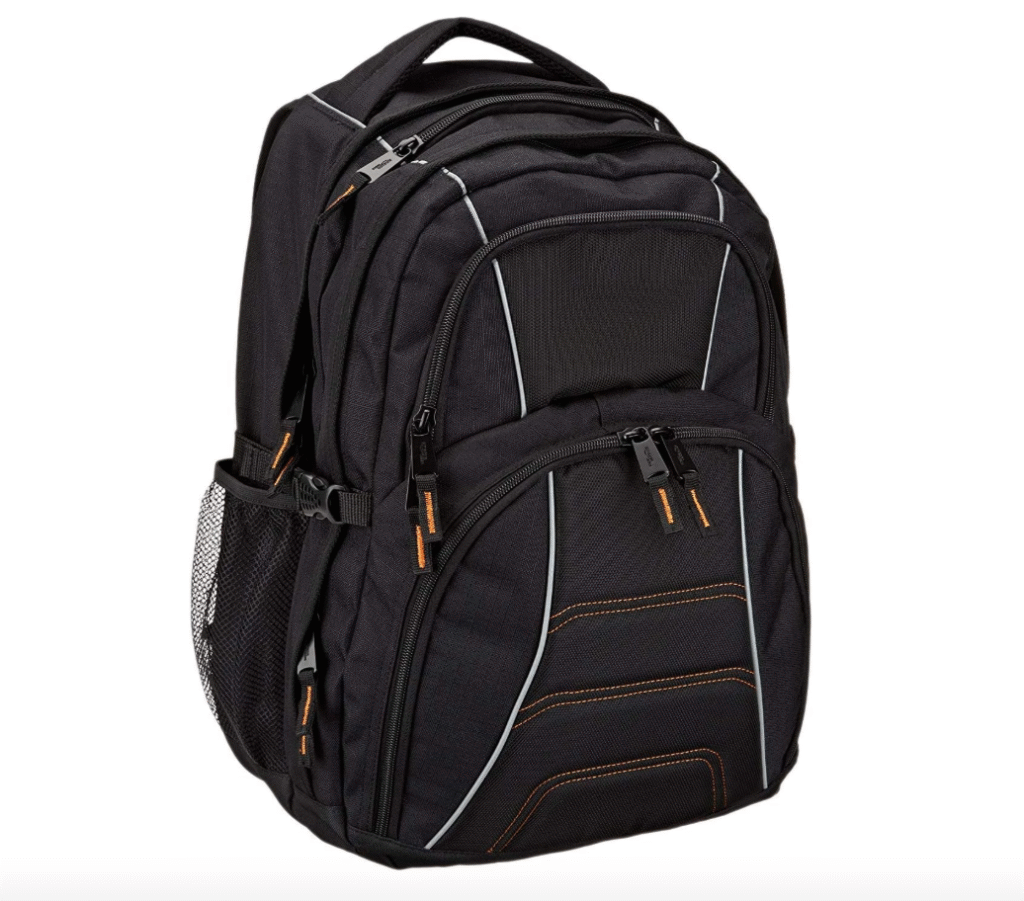
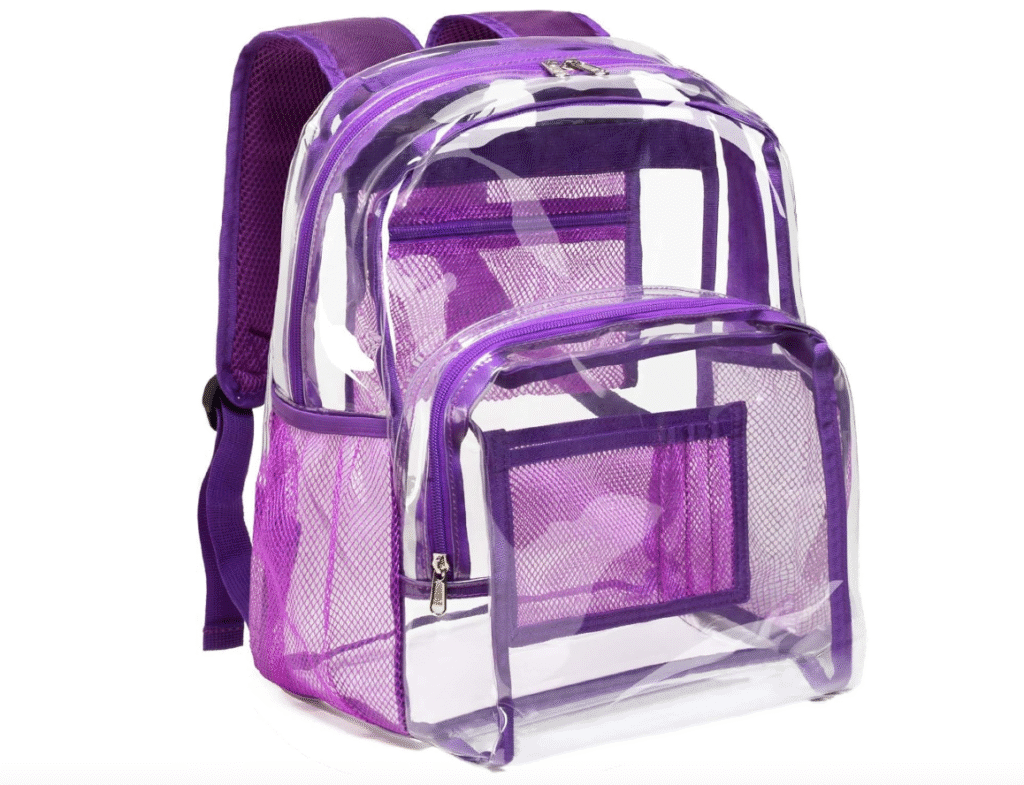
Why It’s a Waste: Designer or themed backpacks can be significantly more expensive than their plain counterparts; and the frustrating part is they might not even last the entire school year due to wear and tear.
Additionally, many campuses have recently moved to requiring clear backpacks for safety and security reasons which means that your expensive, non-clear backpack could quickly become unusable if your child’s school implements this policy.
Solution: Invest in a high-quality, durable backpack with a neutral design. These backpacks are more cost-effective in the long run and can last multiple school years.
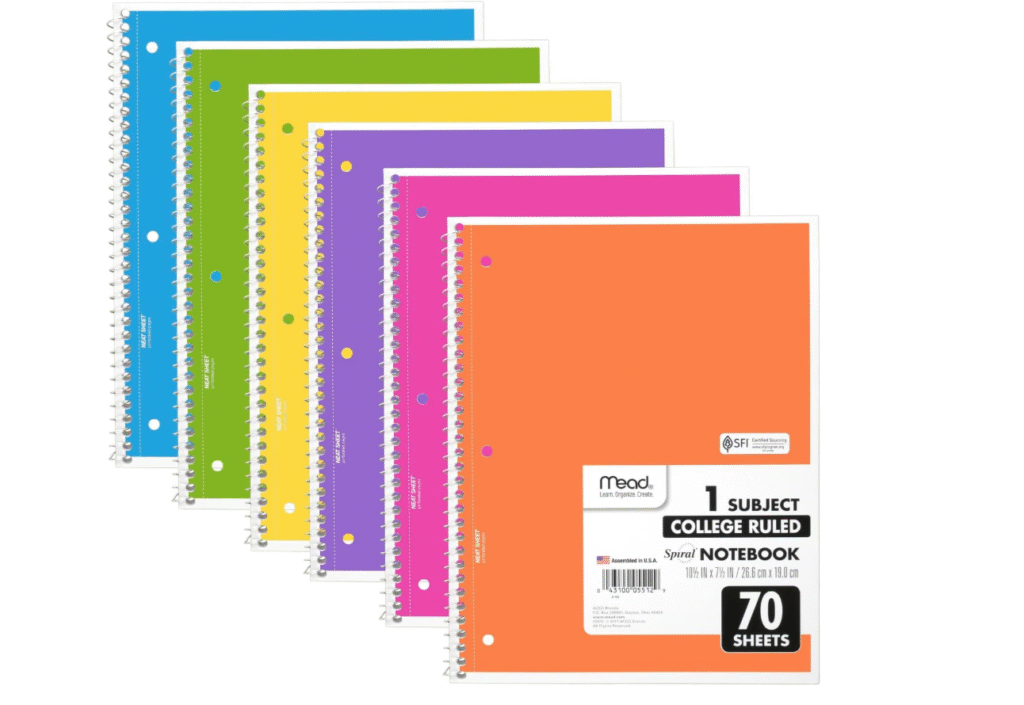
Why It’s a Waste:In the age of technology, students tend to not use as much paper as students of the past. Numerous supplies like spiral notebooks, looseleaf notebook paper and index cards get over-purchased and under-used, as more and more assignments, notes and even textbooks are digital.
Many schools now require assignments and a majority of class projects to be stored and submitted via online platforms like Google Classroom.
Not only does this gross overbuying of paper products waste your money, but it often creates unneeded clutter in your kid’s backpack.
Usingdigital tools can simultaneously save you both money and space, while keeping up with modern pedagogical practices.
Solution:Limit the purchase of paper products and opt for digital tools whenever possible.
Invest in a single notebookfor subjects that require handwritten notes and use apps or software for note-taking and assignments.
This approach not only saves money but also reduces paper waste.
✅ Smart Alternatives:
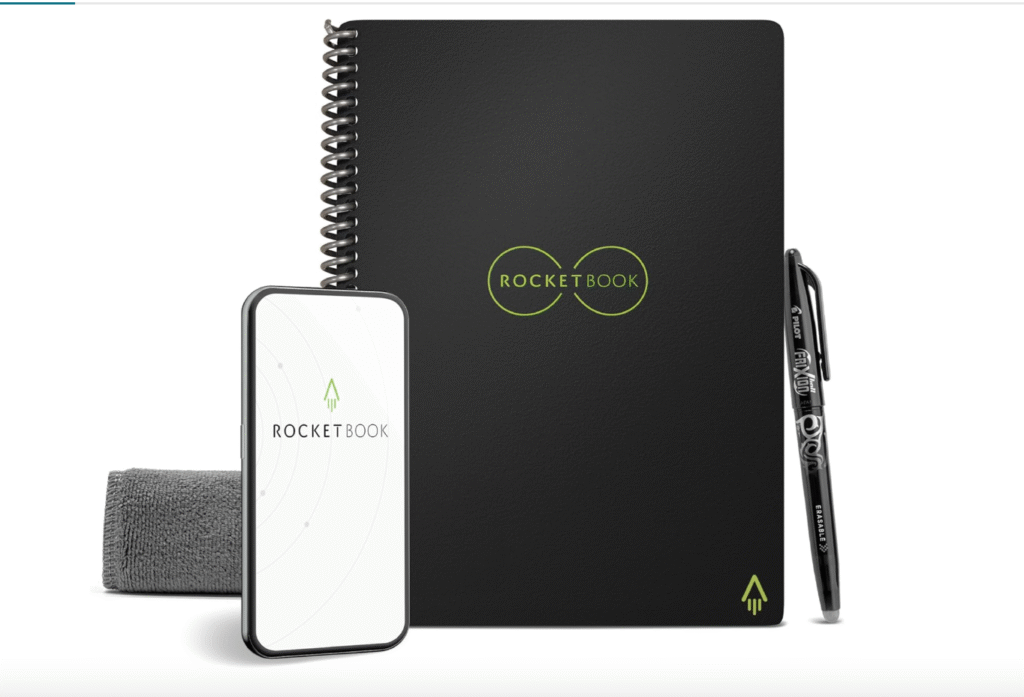
Rocketbook Smart Reusable Notebook: I have one of these and absolutely love mine. This is a reusable notebook that allows you to write notes by hand and then scan and upload them to cloud services like Google Drive or Evernote. It combines the benefits of traditional note-taking with digital storage, reducing the need for multiple notebooks.
Apple iPad with Apple Pencil: If you can invest in this device, you can enjoy it way longer than a piece of paper and you won’t be sorry. This is a versatile device that can be used for everything: note-taking, assignments, accessing digital textbooks, etc. Apps like Notability or GoodNotes, allow you to write, draw, and organize your notes efficiently while minimizing the use of paper.
Why It’s a Waste:Many schools already provide basic art supplies, so purchasing extra sets of markers, crayons, or paints can be unnecessary and wasteful.
Not only do these extra purchase items often go unused, but they also clutter your home, and more importantly… cost you unnecessary money!
Back-to-school shopping deals can sometimes feel too good to pass up, and parents often find themselves getting caught up in the hype and buying more than their children will actually use.
Plus, kids often gravitate towards using their favorite few items anyway, leaving the rest to gather dust.
Solution: Check with your child’s teacher before adding extra artsy-type supplies to your shopping cart. Often, a basic set will do for most projects.
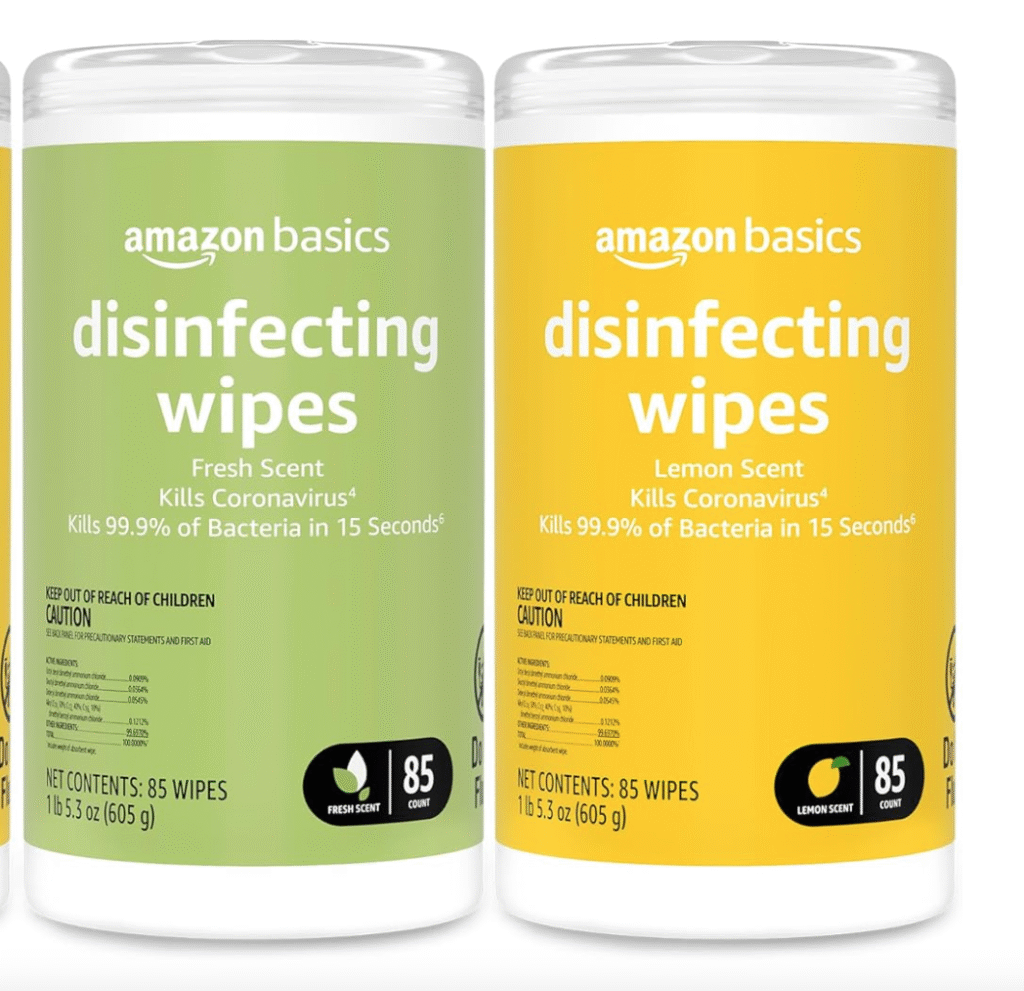
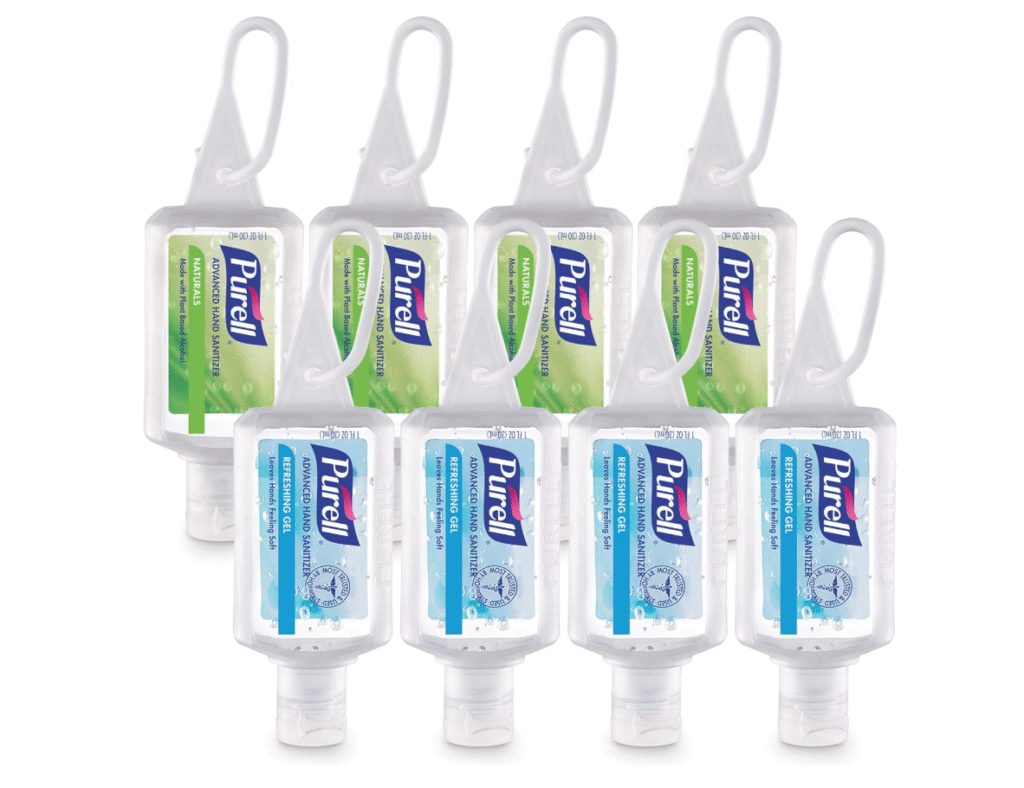
Why It’s a Waste: Buying massive amounts of sanitizing wipes and hand sanitizer is a waste of money and resources, especially since the majority of U.S. schools have had sanitizing stations and cleaning procedures in place since that COVID year 2020.
Additionally, with all the new awareness and protocols about hygiene post-COVID, your child will likely be washing their hands regularly throughout the day as supervised by the campus.
Solution: Buy a decent amount of hand sanitizer and wipes for personal use.
*Hand Sanitizer: One small, portable bottle (2 to 3 ounces) that can be refilled as needed. Typically, this size should last about a month with regular use.
*Sanitizing Wipes: One travel-sized pack containing 20–30 wipes. This should be sufficient for personal use over the course of a few weeks.
This way, your child will always have enough to stay clean and germ-free, but not so much that it’s both a product and financial waste to your wallet.
Instead of buying in bulk, assess or observe the actual usage over a few weeks to understand your child’s real need.
7. Mechanical Pencils: Elementary-Middle School Students
Why It’s a Waste: Mechanical pencils are often seen as a necessary upgrade, but they are not essential for most students.
They can be more expensive than regular pencils, not pick up well when scanning scantron tests, and the lead can break easily, causing frustration and disruption during class.
Furthermore, younger children might find it difficult to manage the mechanical components, leading to frequent replacements and additional costs.
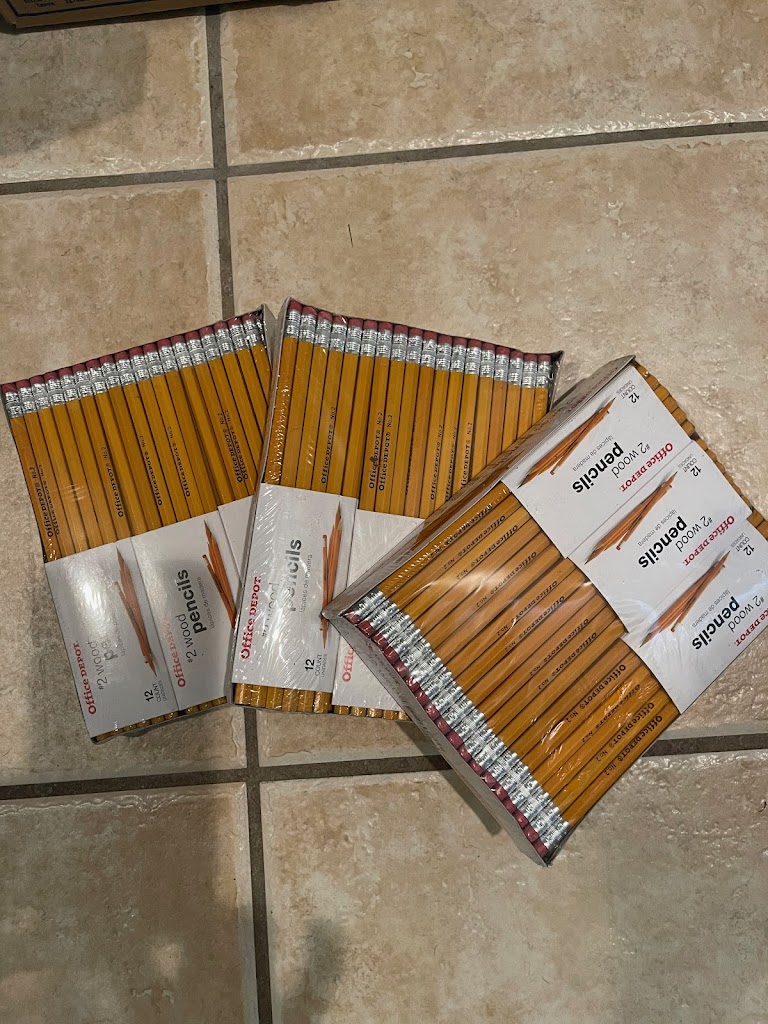
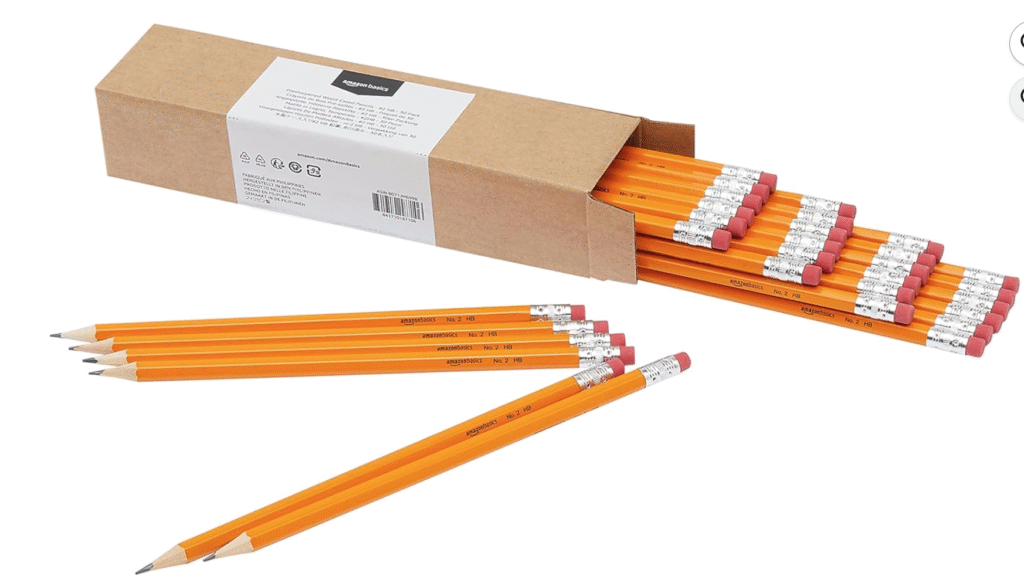
Solution: Stick to good old wooden pencils that are robust, cheap and easy to use. Wooden pencils can be sharpened many times and are far more practical for standard schoolwork.
Why It’s a Waste: Parents frequently purchase backups of certain school supplies they think they their child is going to need, often going way over-the-top.
They keep this backup supply at home so they won’t have to go back out at a later date and buy some more of the same supplies. I get it!
The most commonly overbought items are pencils, pens, erasers, notebooks, looseleaf paper, glue sticks, and folders. A waste of space and money.
On top of that, no matter how many back-ups a child has, there is always an equal amount of items that they lose or misplace, so back-up items don’t actually alleviate the problem.
Solution: Conduct an inventory check before heading out for school supply shopping. You may already have what you need.
Assess what your child already has from the previous school year and determine what genuinely needs to be replaced.
Create a precise list based on actual needs rather than buying in bulk.
For items that are frequently lost or used up quickly, like pencils and erasers, consider purchasing a moderate quantity and setting a system for replacing them as needed.
a copy paper box full of unused index cards at the end of the school year
9. Personal (Handheld) Pencil Sharpeners
Why It’s a Waste: Small personal pencil sharpeners are usually discouraged by teachers because students end up sharpening their pencils at their desks leaving pencil shavings all over the floor making a big mess for someone else to clean.
They can also be a distraction and disruption to some who can’t handle the little resource maturely.
Solution: Most classrooms today are equipped with a class electric pencil sharpener that can handle high traffic. It sharpens faster, makes less noise and mess, if any. Problem solved!
10. Off-Brands
Why It’s a Waste: …because you’re going to end up buying these same supplies again sooner than you’d like to!
You might be tempted to buy those cheaper off-brand supplies; but if a teacher has a specific brand in mind, there’s normally a reason for it.
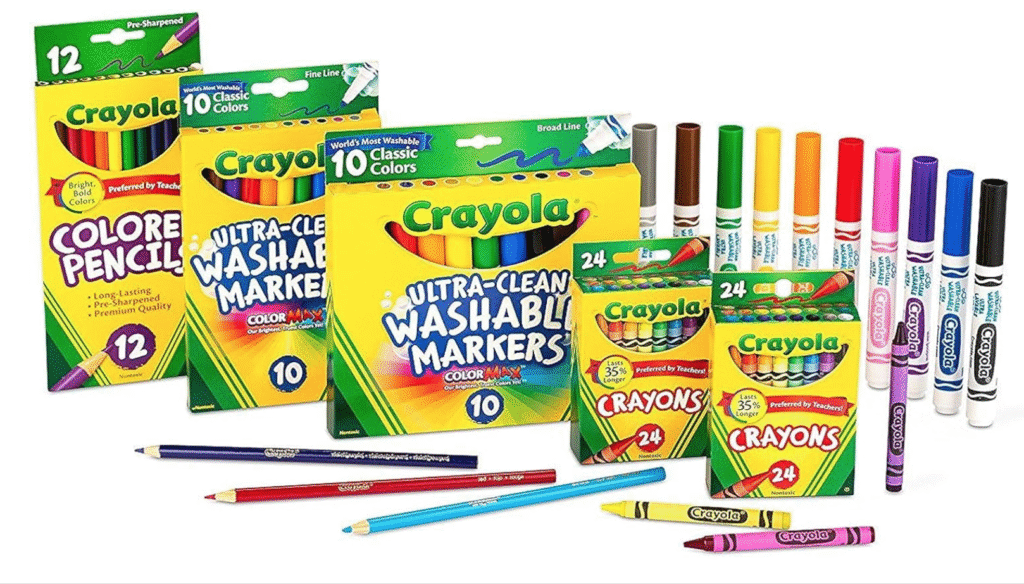
Name-brand crayons, markers, and other supplies will usually function better and last longer than off-brand varieties.
It goes back to the old saying, “You buy cheap, you get cheap!”
And you’ll just end up having to go back to Square 1 and buy those name brand supplies again anyway.
Solution: Trust your teacher’s expertise on this one and consider shopping for sales during Amazon Prime Dayweek in July and tax-free weekends in August/September to stock up on the recommended name brands at lower prices.
What Students Actually Need
What students need has nothing to do with what can be found on store shelves or online.
Students need engaged parents or guardians, teachers, administrators, and counselors who are present for them.
In addition to positive affirmations and emotional support, students need structural supports and everyday habits that enable them to successfully navigate their worlds.
Computer Access
A computer or tablet is a must-have in today’s digital world—students are expected to complete most of their work online, from tests and presentations to daily assignments.
But not every household can afford the devices or reliable internet needed to keep up. That’s why schools should step in to make sure students from lower-income families aren’t left behind.
Without the right tools, it’s nearly impossible for students to be prepared for the demands of today’s classrooms—or tomorrow’s careers.
Reliable Internet Access
Reliable internet isn’t a luxury—it’s a basic requirement for today’s students.
Homework, research, group projects, and even classroom instruction often depend on being online.
When students can’t get connected, they fall behind—plain and simple.
This issue doesn’t just affect low-income families.
Rural areas with limited service, families juggling multiple kids on one connection, or households dealing with temporary housing or instability all face real challenges.
Every student, no matter their ZIP code or circumstance, deserves the tools to keep up; therefore, schools, communities, and policymakers need to treat home internet like they would school lunch or transportation—essential, not optional.
Emotional Support
It’s no news that positive, supportive adults help students do their best. The way that parents or guardians can do this is by asking their children about their schoolwork, praising them when they make progress and being there for them when they fail.
Teachers can do the same by making the classroom a supportive environment where everyone’s opinions are listened to and everyone feels valued.
As well as providing emotional and intellectual support, we as a community can also supply these young minds with the sort of practical skills that prepare them for life beyond graduation — the kind of abilities such as time management, critical thinking, having a work ethic, and clear communication that cannot be bought.
Although we educators can inspire confidence in students and steer them away from narrow and unproductive approaches, the genuine development of such skills derives from practice.
This can only come through daily interaction, hands-on experience and the opportunity to try and fail and succeed.
Sleep
I LOVE ME SOME GOOD SLEEP! Unfortunately, many students either don’t get enough sleep or they don’t get any sleep at all due to numerous factors at home.
The number of students that stay on their devices until the wee hours of the morning on a “school night” is astounding!
I have had students tell me that they were on the phone with their girlfriends or boyfriends until 4am- and had to get up for school at 6:30am.
How then can we expect excellence from them when they are operating on 2–3 hours of sleep or less?
Now granted there are some students who would love to get adequate rest before the next school day, but circumstances beyond their control at home prevent them from doing so.
Some students live in a 1 or 2 bedroom apartment with 4+ other people who are coming and going at all times of the night (and God only knows what else).
We all know that a well-rested mind is more focused, energized, retains more information, and successful.
What students really need as part of their school supply list is an environment where they can go to bed at a decent hour and get uninterrupted sleep to support their success for the next school day.
As you (parents and students) gear up for another new school year amid rising inflation, it’s more important than ever to use your hard-earned money wisely when shopping for school supplies.
Your money is being stretched to the limits with long, nonessential school supply demands. These extensive school supply lists and the trend of communal supplies can lead to unnecessary spending.
By understanding what truly adds value and opting for practical, cost-effective alternatives, you can ensure your hard-earned money is well spent.
🤓 To Recap:
✅ Instead of splurging on fancy binders, designer backpacks, or mechanical pencils that often go unused or create more problems, focus on items that provide genuine benefits.
✅ Use simple, single-section binders and durable folders.
✅ Opt for high-quality, neutral backpacks that comply with school policies.
✅ Stick to traditional wooden pencils that are robust and easy to manage.
✅ Limit the purchase of paper products by embracing digital tools which not only save money but also reduce clutter and promote modern learning practices.
✅ Avoid buying excessive art supplies and sanitizing products, as schools typically provide the basics needed for a clean and creative environment.
✅ Lastly, trust teachers’ recommendations for brand-specific supplies and take advantage of sales and tax-free weekends to purchase quality items at a lower cost.
Back to school season can feel overwhelming, especially with the pressure to buy everything on those long supply lists.
As a teacher, I’ve seen firsthand which items end up untouched in the classroom and which ones truly get used.
I hope this gave you some clarity on what’s actually worth buying—and what you can skip without guilt.
A little strategy goes a long way, and your time, money, and energy are better spent on what really counts–extra cash for yourself and the rest of your family.















No Comment! Be the first one.