

Addressing Skincare Needs During Menopause
Has your skin been acting differently lately? Menopause brings significant changes to your skin, but don’t worry – you’re not alone in this journey. This article will explore how to keep your skin healthy and radiant during this transition. While these changes can feel overwhelming, understanding what’s happening to your skin is the first step to maintaining its health and appearance.
Understanding Your Changing Skin
During menopause, your body produces less estrogen, which affects your skin in several ways. You might notice your face feeling drier, looking less firm, or developing more wrinkles.
These changes are completely normal, and there are effective ways to address them. Estrogen plays a crucial role in maintaining skin thickness, moisture retention, and collagen production.
As levels decline, your skin’s natural repair processes slow down, leading to visible changes. However, with the right skincare approach, you can support your skin through this transition and maintain its health and vitality.
The impact of hormonal changes extends beyond just the surface level. Your skin’s barrier function may become compromised, making it more sensitive to environmental stressors and more prone to inflammation.
Additionally, the decrease in oil production affects your skin’s natural moisturizing factor, which is essential for maintaining proper hydration levels.
Common Skin Concerns During Menopause
Dryness and Itching
Your skin becomes drier because it produces less natural oils. This can lead to uncomfortable itching and flaking. The solution? Switch to richer, more hydrating moisturizers and be gentle with your skin.
During menopause, the skin’s lipid barrier weakens significantly, making it harder for your skin to retain moisture. This isn’t just a surface-level concern – deep hydration becomes crucial for maintaining skin health.
Consider incorporating humectants like glycerin and hyaluronic acid into your routine, as they can hold up to 1000 times their weight in water.
Loss of Firmness
As collagen production decreases, you might notice your skin doesn’t bounce back like it used to. Using products with peptides and retinol can help maintain skin elasticity.
Studies show that women lose about 30% of their collagen in the first five years of menopause. This dramatic decrease affects not just the appearance of your skin but also its structural integrity.
The good news is that certain ingredients can help stimulate collagen production and protect existing collagen fibers from breaking down.

Hot Flashes and Redness
Hot flashes can leave your face flushed and uncomfortable. Keep facial mists handy and look for products with soothing ingredients like aloe vera and chamomile. These sudden temperature changes can trigger inflammation and damage your skin’s protective barrier.
Understanding the connection between hot flashes and skin health is crucial – each episode can cause micro-stress to your skin, leading to increased sensitivity and redness over time. Incorporating anti-inflammatory ingredients and keeping your skincare products in the refrigerator can provide immediate relief during these episodes.
Your New Skincare Routine
Morning:
1. Cleanse with a creamy, sulfate-free cleanser
2. Apply an antioxidant serum with vitamin C
3. Use a rich moisturizer with hyaluronic acid
4. Finish with broad-spectrum SPF 30 or higher
Evening:
1. Double cleanse to remove makeup and sunscreen
2. Apply retinol or bakuchiol product
3. Use a thick, nourishing night cream
4. Consider adding facial oil for extra moisture
Top Product Reviews: Best Skincare for Menopause and Mature Skin
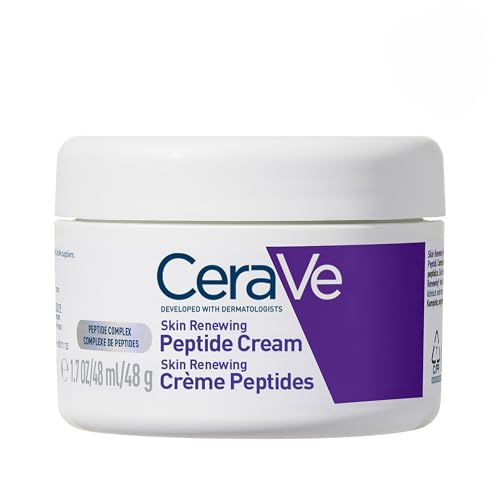
1. CeraVe Skin Renewing Night Cream
This gentle yet effective cream contains peptides and ceramides that work while you sleep. Users report waking up to plumper, more hydrated skin. The non-greasy formula is perfect for sensitive skin and doesn’t clog pores. It has a unique delivery system that releases hydrating ingredients throughout the night, ensuring continuous moisture replenishment. In addtion, the inclusion of niacinamide helps strengthen the skin’s barrier while reducing the appearance of age spots and uneven skin tone.
2. Vichy Neovadiol Meno 5 Serum
Specifically formulated for menopausal skin, this serum targets loss of density and dryness. It absorbs quickly and layers well under moisturizer. Many users noticed improved skin texture within weeks. The formula contains proxylane, a patented molecule that helps restore skin density and combat the effects of hormonal aging. Clinical studies showed significant improvements in skin firmness and hydration levels after 12 weeks of consistent use.
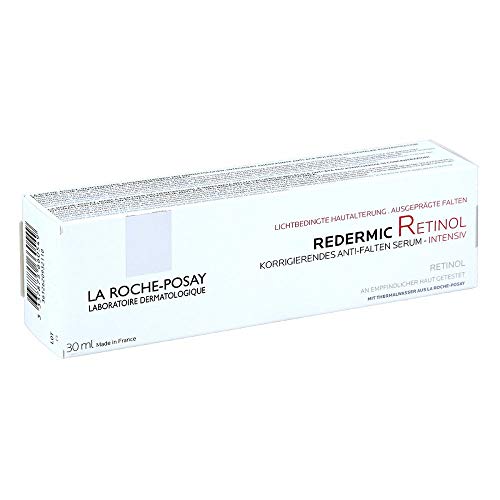
3. La Roche-Posay Redermic R Retinol Cream
This retinol cream is gentle and doesn’t cause irritation. It helps with fine lines while maintaining the skin’s moisture. The formula includes glycerin and vitamin B3 for added benefits. The gradual-release technology ensures optimal retinol delivery without overwhelming sensitive menopausal skin. The addition of adenosine provides extra firming benefits while supporting the skin’s natural repair process.
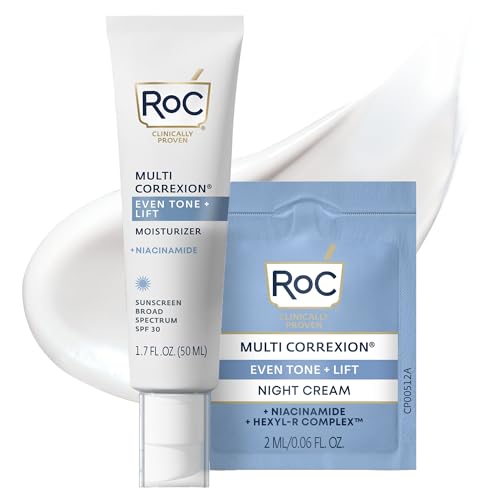
4. RoC Multi Correxion 5-in-1 Daily Moisturizer
This daytime moisturizer with SPF 30 addresses multiple aging concerns. It helps firm skin while protecting from sun damage. Many love its lightweight feel and how it doesn’t peel or flake under makeup. The formula contains HEXYL-R Complex, a unique combination of ingredients that targets five signs of aging simultaneously. Independent clinical studies demonstrate significant improvements in skin firmness, radiance, and dark spot reduction within eight weeks.
Pro Tips for Success
– Stay hydrated by drinking plenty of water throughout the day
– Use a humidifier in your bedroom to prevent nighttime dryness
– Be consistent with your skincare routine
– Protect your skin from sun damage year-round
– Consider taking skin-supporting supplements after consulting your doctor
Remember, it’s never too late to start taking better care of your skin. With the right products and routine, you can help your skin stay healthy and radiant throughout menopause and beyond.
Understanding these changes and adapting your skincare routine accordingly can make a significant difference in how your skin ages. The key is to be patient and consistent with your chosen routine, as visible improvements may take several weeks to appear.
[Note: Add your affiliate links to the product names in the review section]