For the longest time, I thought affiliate marketing just wasn’t working for me.
I was writing blog posts, adding links, pinning consistently, and doing everything people said to do. But nothing was happening. No clicks that turned into anything. No leads. No real traction.
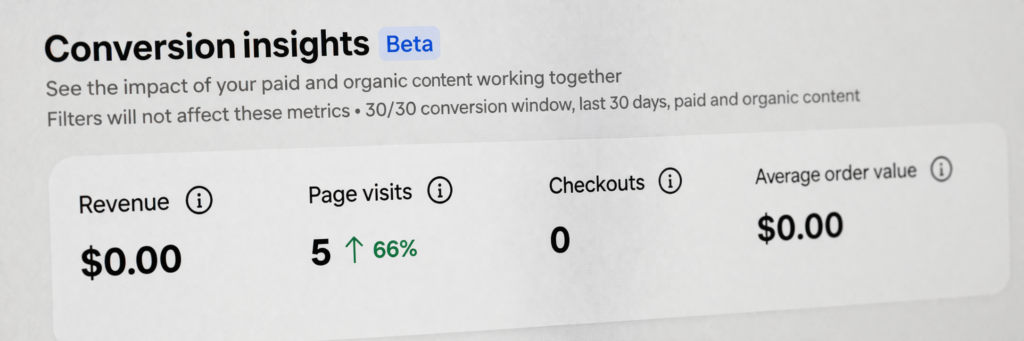
Just organic traffic coming in… reading… and leaving.
I didn’t have a system.
I didn’t have a funnel.
I didn’t even have a clear next step for people once they landed on my content.
So even when people showed up, it went nowhere.
That’s the part nobody really explains when you start.
Three years. That’s how long I pinned before I saw a single dollar that made me feel like this was actually working.
Three years of creating content, scheduling pins, tweaking titles, researching keywords, and telling myself that consistency would eventually pay off.
And honestly?
There were moments I almost walked away. Not dramatic “I quit” moments, just quiet nights where I sat at my laptop thinking, what am I even doing this for?
If you’ve ever felt that way, keep reading. Because I finally figured out what I was doing wrong, and it changed everything.
I Was Busy But I Wasn't Building a Business
Here’s the part that stings a little to admit. I was doing a lot. Running a blog, writing articles, creating pins, staying consistent. On paper, I looked like someone who had it together. But my Pinterest was functioning more like a content library than a sales system.
People would find my pins, click through to my blog, read the post, and leave. That was it. No purchase. No email signup. No next step. Just traffic that evaporated as fast as it came.
I didn’t have a conversion problem at first because I didn’t even know what conversion meant in this context. I thought if I just kept posting, the money would eventually show up like some kind of reward for persistence. It doesn’t work that way.
The Pin Cluster System That Helped Me See Pinterest Differently
Around the time I started getting serious about fixing my approach, I learned about building a pin cluster around every single blog post rather than just dropping one or two pins and moving on.
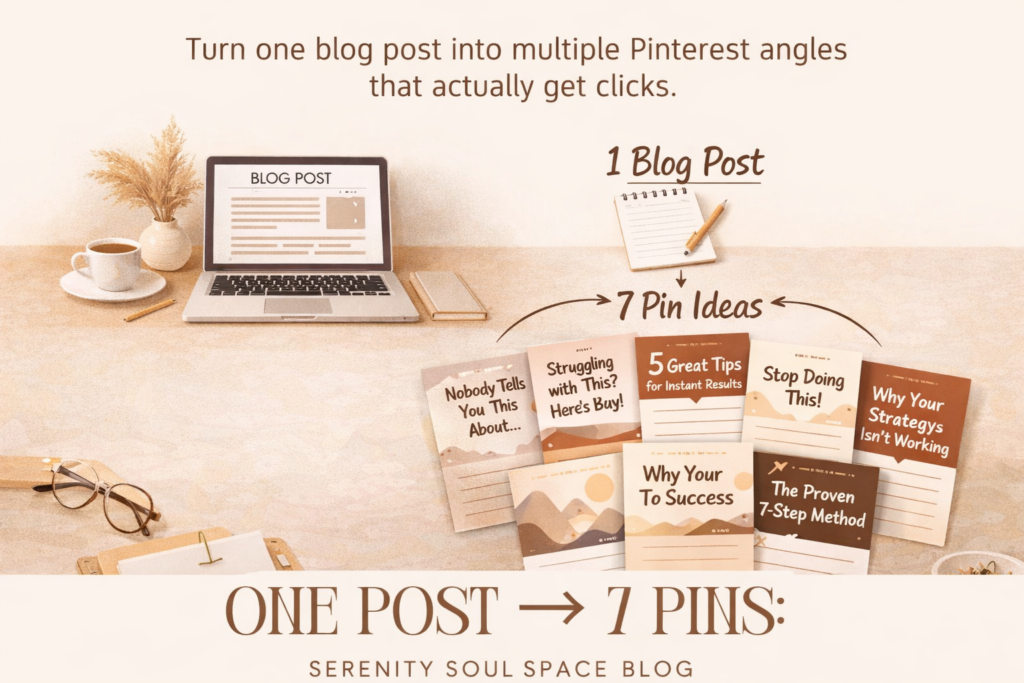
The idea is simple. For each blog post you write, you create seven pins total. Three curiosity pins that tease the content and make someone want to click. Two direct value pins that lead with the takeaway. Two problem-solution pins that speak directly to what the reader is struggling with.
Seven pins. One post. Multiple entry points for different people searching for different things.
That part genuinely helped my reach. But here’s what I didn’t understand until much later: more traffic means nothing if the blog post itself isn’t set up to do something with that traffic.
Right here is where most people fall off. They have the content, but no system.
You can post seven pins per blog post. You can hit a million monthly views. You can be consistent for three solid years and still make zero dollars if every single pin leads to a post that just ends with no next step, no offer, and no reason for the reader to do anything except close the tab and move on with their day.
I was so focused on the front end of the system that I completely ignored what happened after someone actually clicked. My posts had hooks. They had value. People were reading them. But I had not set up a single pathway that turned a reader into a customer or even a subscriber.
Now before you say, “Duh! What you’re saying is not ground-breaking news here.”
Something nobody in my immediate circle ever told me was that creating multiple pin angles from a single blog post was even a thing.
I was taught early on to write well, solve real problems, and create content around topics people were already searching for. That advice was solid and I still stand by it. But it stopped there.
Nobody pulled me aside and said, “Hey, once you write that post, you need to show it to the world from seven different angles because different people are searching for the same solution using completely different words.”
That gap in my knowledge cost me years of momentum I could have had much sooner.
Think about it this way. A business sells something and gives people a reason to exchange their email address, their attention, or their money for something they need.
What I had built was a content hub. A really consistent, well-written, genuinely helpful content hub that was doing absolutely nothing for my bank account because I never asked it to.
Content alone is not a business. Content with a strategy behind it is. And for three years, I was producing one without the other.
Now, it may have taken me longer than most people to get a clue about this, and I am completely fine admitting that.
This is a marathon and not a race, and my bank account is finally starting to reflect the miles I have already put in.
The traffic was always there. I just had not given it anywhere meaningful to go.
What I Started Doing Instead
Once I understood what was missing, I stopped creating new posts for a little while and went back to five of my existing articles. Old posts, not new ones, because I already had traffic going to them.
Inside each one, I added a “recommendations” type of section. That’s where I connect the reader to real solutions, things they can buy, download, or try ASAP.
Information is helpful, but a clear next step is what actually moves people forward.
For my skincare content, that looked like adding Amazon affiliate links to products I already believed in. Glycolic acid serums, brightening creams, routine essentials. Things my readers were clearly interested in because they were already showing up for that content.
For my wellness posts, I added mentions of my digital products and lead magnets. Not in a pushy way, but in a “here’s the next step if you want to go deeper” kind of way.
The shift in language (CTA=Call to Action) mattered, too. My old pins said things like “read this post” or “check out my tips.”
My new pins say things like “fix this,” “try this routine,” or “use this tonight.”
People click differently when the pin sounds like it leads to a solution rather than an article.
What Three Years Actually Built
Here’s the thing I want you to hear. Those three years were not wasted. I know it feels that way sometimes, especially when the bank account doesn’t reflect the hours you’ve put in. But that time built something real.
I have Pinterest traffic, existing blog posts with audiences already finding them, and a reader base that trusts my voice. That foundation took time to build, and it cannot be faked or rushed.
Looking back, I had done all the hard work of getting people to show up. I just never gave them anything to do once they got there. That one missing piece was the difference between having an audience and having a business.
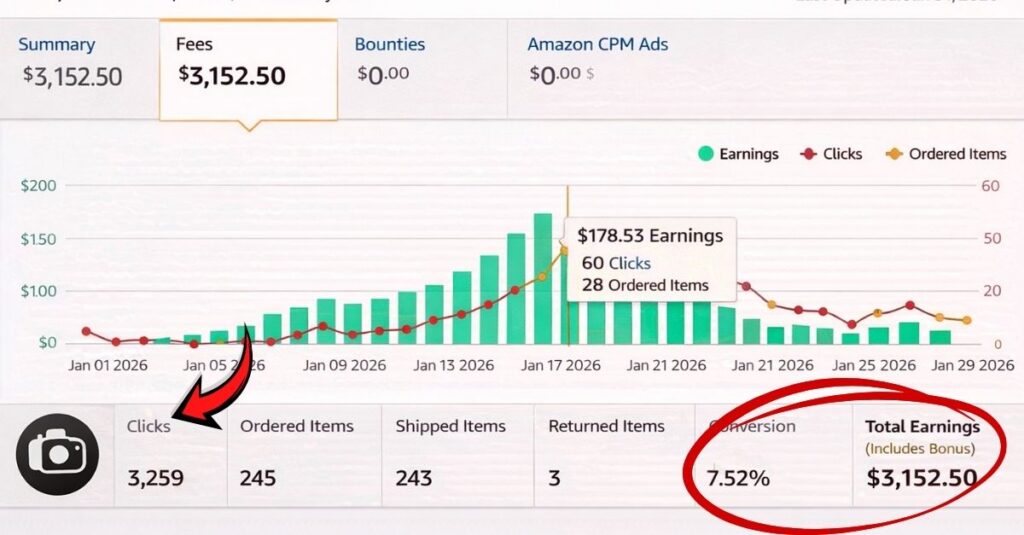
Once I did, things started moving. Not overnight, not in a week, but within a couple of months of consistently updating old posts and building better pin copy, I started seeing affiliate commissions and digital product sales show up in ways that felt real and repeatable.
Here Is Where the Clicks Finally Started Turning Into Income
Because of everything I learned through trial, error, and a whole lot of frustration, I created a system I wish I had from the very beginning.
It is called Turn One Blog Post Into 7 Pinterest Pin Angles, and here is exactly what you get inside:
7 proven pin angle formulas you can reuse for every blog post you have ever written or will ever write. These are the same angles that finally got my content clicking and converting instead of just sitting there looking pretty.
Fill-in-the-blank templates so you are never staring at a blank screen again wondering how to say the same thing seven different ways. The framework is already built. You just plug in your content.
Real examples so you know exactly what each angle looks like in practice, not just in theory.
A simple repeatable system that turns one blog post into multiple opportunities for clicks, traffic, and income without creating a single new piece of content from scratch.
If your pins are getting views but not turning into anything real, this is why. If your blog is pulling in traffic but your sales are sitting at zero, this is the piece you have been missing. If you are tired of posting consistently and hoping something eventually clicks into place, I want you to know that hope is not a strategy but this workbook is.
This is not about creating more content. It is about finally getting more out of the content you have already put your time and energy into.
👉 One post. Seven angles. A whole lot more opportunity. Want this done for you?







No Comment! Be the first one.