
7 Emotional Burnout Symptoms That Show Up By the Weekend
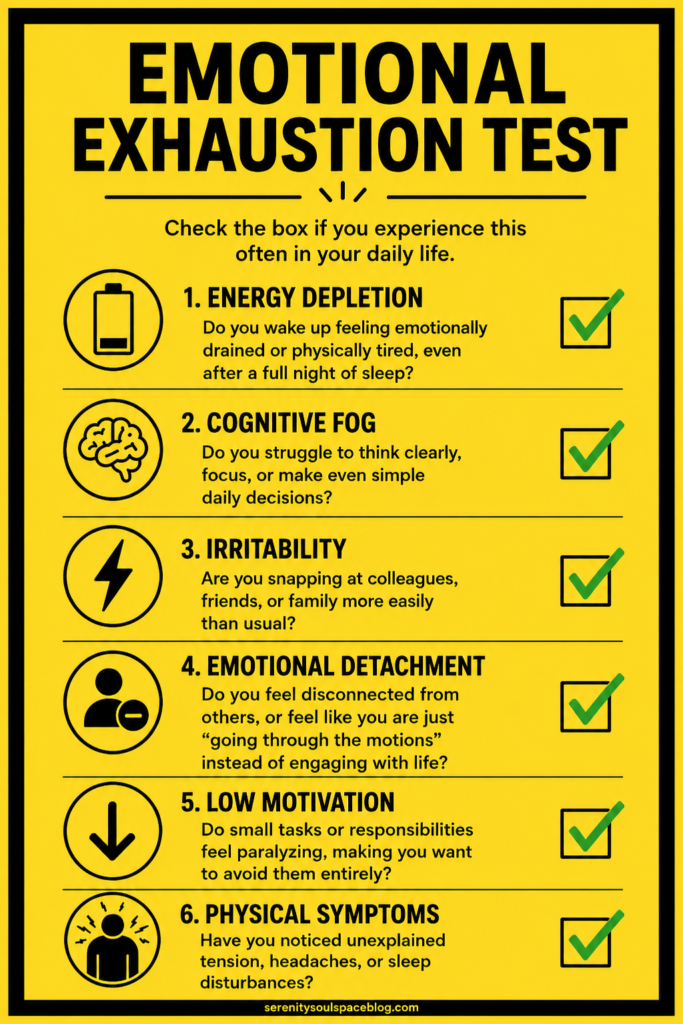
Friday arrives and you exhale. The week is done. You made it through the meetings, the deadlines, the mental gymnastics of keeping everything together, and now the weekend is finally here. Rest should follow naturally, right?
You would think it would; but instead, you find yourself lying on the couch feeling hollow, or snapping at someone you love over something minor, or just staring at the ceiling wondering why you still feel so off.
The busyness has stopped, but the weight hasn’t lifted. If that sounds familiar, you may be experiencing something more than a rough week. These could be emotional burnout symptoms that have been quietly building underneath the surface all along.
Emotional burnout has a way of hiding behind busy schedules.
When there is always something to do, you keep moving and the warning signs get buried. It is often only when the pace slows down, like a Friday night or a Saturday morning with no obligations, that your mind and body finally get a chance to send up the signals they have been holding back all week. But you know what? Understanding what those signals look like is the first step toward taking them seriously.
A Little Backstory, If You Need It…
◉ 70 Fabulous Friday Quotes to Celebrate the Best Day of the Week
1. You Finally Have Time to Rest, But Relaxing Feels Impossible
You have been counting down to the weekend all week, and now that it is here, your mind will not cooperate. You sit down and immediately feel restless. You pick up your phone, put it down, start something, abandon it. The opportunity to rest is right in front of you and somehow you cannot access it.
This is what emotional burnout does to the nervous system. After days of pushing through stress and mental fatigue, your body has essentially forgotten how to shift gears. The stillness feels wrong because you have been running so long that stopping triggers its own kind of discomfort.
And the frustrating part? You know you need rest. You want it. It’s just that your system doesn’t know how to get there at that moment.
2. Small Irritations Feel Much Bigger Than They Should
The neighbor’s music, a comment that lands wrong, someone leaving a cabinet open for the hundredth time…on a normal week you would let it go; but today it sits in your chest like something heavier than it has any right to be. Burnout thins the emotional buffer you normally rely on to absorb the small stuff (aka “not sweat the small stuff”), and when that buffer is worn down, everything registers at a higher volume. Sometimes what looks like overreacting is really emotional burnout with nowhere left to go.
3. You Feel a Vague Sense of Dread Even Though Nothing Is Wrong
This one is harder to name. The week is over, nothing is on fire, and yet there is this low hum of unease sitting in the background of your whole weekend. You cannot point to a specific reason for it. It just lives there, following you from room to room.
When the mind has been in stress mode for an extended stretch, it starts scanning for threats out of habit, even when the coast is clear. So instead of relief, you get this shapeless anxiety that never quite lets you settle. Sometimes it disguises itself as guilt about resting. Sometimes it is the nagging feeling that you are forgetting something important. Either way, you never fully land.

4. You Feel Disconnected From the People Around You
You’re physically present but emotionally somewhere else entirely. The conversation at the dinner table might as well be background noise. Making plans sounds exhausting. Even people you genuinely love feel like more than you can manage right now, and then you feel guilty for feeling that way, which somehow makes it worse.
Emotional availability is not free. When burnout has drained the account, there is nothing left to give, even to the relationships that matter most. Pulling back does not always mean you care less. Sometimes it means you have been carrying too much for too long.
5. Sleep Does Not Leave You Feeling Rested
You went to bed at a reasonable hour, slept through the night, and woke up feeling exactly as tired as when you closed your eyes. Maybe even more so.
Sleep restores the body, but it does not automatically touch the kind of depletion that builds from weeks of chronic stress and emotional labor. That is a different category of tired, and rest alone cannot reach it.
When you wake up on a Saturday morning still feeling empty after a full night of sleep, your body is not being dramatic. It is pointing at something the weekend cannot fix by itself.

6. Activities That Once Brought You Joy Feel Flat
You sit down to do something you normally love and feel almost nothing. The hobby that used to be a genuine escape now feels like one more thing on your “To Do” list. You scroll through shows you used to enjoy and nothing sounds appealing. Plans you made weeks ago, back when you had more energy, now feel like obligations you have to survive rather than something to look forward to.
That flatness is one of the quieter emotional burnout signs. It hits differently because it takes away the very thing most people count on to recover. When the things that are supposed to restore you stop working, the exhaustion has nowhere to break.
7. You Find Yourself Dreading Monday Before the Weekend Has Even Started
It is Saturday afternoon and your stomach is already tightening about the week ahead.
Some amount of Sunday dread is completely normal. This is also known as “the Sunday scaries.” But when the anxiety about returning to your routine shows up before you have had any real chance to recover from the last one, that is worth sitting with. It means the weekend is not functioning as rest anymore.
The gap between what is being asked of you and what you actually have left has quietly grown too wide, and some part of you already knows it.
These Patterns Matter More Than Any Single Bad Weekend
Everyone has a rough week now and then. The difference between a hard week and emotional burnout comes down to repetition. When these experiences show up consistently, the weekend never quite delivers relief, and the same symptoms greet you every Friday night, that pattern is worth acknowledging honestly.
Burnout recovery begins with recognition. You cannot address something you have been minimizing or explaining away.
If several of the symptoms described above feel familiar, pay attention to that. Patterns like these usually don’t appear for any reason.
Your mind and body have a way of sounding the alarm when something has been off for too long, and the most helpful response is to take that seriously instead of brushing it aside.
Frequently Asked Questions
What are the most common emotional burnout symptoms?
The most frequently reported emotional burnout symptoms include:
- Persistent exhaustion that does not improve with rest
- Difficulty relaxing or switching off mentally
- Increased irritability
- Emotional detachment from people or activities
- Sleep that feels unrestorative
- Loss of interest in things that usually bring joy
- A growing sense of dread around responsibilities
- Feeling emotionally numb or disconnected from yourself
Can emotional burnout make it hard to relax?
Yes, and this is one of the most commonly overlooked aspects of burnout. Chronic stress keeps the nervous system in a heightened state of alertness, which makes it genuinely difficult for the body to shift into a restful mode even when the circumstances allow for it. Many people report feeling unable to relax despite having nothing pressing to do. This is not a matter of willpower or mindset. It reflects a physiological response to prolonged stress and emotional depletion.
What is the difference between emotional burnout and physical exhaustion?
Physical exhaustion typically responds to rest. Sleep and recovery time allow the body to restore its energy; but emotional burnout? Now that goes deeper. It involves depletion of the psychological and emotional resources that make it possible to engage with life, work, and relationships. Rest alone rarely resolves it because the source of the depletion, whether it is chronic stress, emotional labor, lack of support, or an unsustainable pace, has not changed. Physical exhaustion is a symptom. Emotional burnout is a sustained state.
How long does emotional burnout recovery take?
There is no single answer, and recovery often depends on how long the burnout has been building, what is fueling it, and what kind of support is actually available to you. It is rarely quick, and trying to rush it usually backfires.
Real recovery often means looking at the conditions that created the burnout in the first place, not just hoping a long weekend will erase it.
For some people, that involves adjusting workload, protecting their time more carefully, or getting professional support. For others, it also means finding small, practical ways to make rest feel more possible, whether that is creating a calmer evening routine, reducing overstimulation, or using comfort-focused tools that help the body and mind slow down.
Most of the time, recovery happens gradually through a combination of changes, support, and better ways to care for yourself than simply pushing through.
If This Article Felt Familiar
If one or more of these signs felt uncomfortably familiar, the next step is not pretending the weekend will magically fix it. I put together a follow-up guide with a few comfort-focused products and calming tools that can help when emotional burnout makes it hard to relax, rest, or mentally power down once the week is over.
Read next: What Actually Helps When Emotional Burnout Follows You Into the Weekend








Leave a Reply
You must be logged in to post a comment.