Top 10 Anti-Aging Ingredients to Look for in Mature Skincare Products

This post contains affiliate links, which means I may earn a small commission at no extra cost to you if you purchase through them. I only recommend products I truly love and think you’ll vibe with too. Check out our privacy policy and disclosure here.

Understanding the Aging Process: Why Anti-Aging Ingredients Matter

Your skin has been working overtime since the day you were born. It stretches, absorbs, regenerates, and protects you around the clock.


So it makes sense that eventually, it starts showing the evidence of all that work. That is just biology doing its thing.


The shift starts from the inside. Somewhere in your 30s, your skin starts producing less collagen and elastin. Those are the two proteins responsible for keeping skin firm and bouncy.


Less of them means skin starts to sag a little, lines settle in deeper, and that dewy moisture you once took for granted gets harder to hold onto.


What ends up happening is that you end up with skin that feels tight, looks flat, and no matter how much water you drink, still seems dry.

Then there is everything coming at your skin from the outside. Sun exposure is the biggest culprit.


UV rays do not just tan your skin; they damage it at the cellular level. That is what causes photoaging: the uneven tone, the enlarged pores, the wrinkles that show up before you feel old enough to have them.


Pollution piles on top of that by flooding your skin with free radicals, which break down your skin’s natural barrier over time. And yes, smoking, a diet full of processed foods, and chronic dehydration all speed things up, too.


This is where a good skincare routine stops being optional and starts being maintenance.


Ingredients like retinoids, peptides, and hyaluronic acid exist specifically to address what aging takes away.


They signal your skin to produce more collagen, pull moisture in and hold it there, smooth texture and even out tone.


They are not magic, but they are close.

The Top 10 Anti-Aging Ingredients You Should Have In Your Beauty Kit

Not every product on a Sephora shelf or Amazon listing is going to deliver. But these ten ingredients have the research to back them up. If you see them on a label, you are looking at something with real potential.


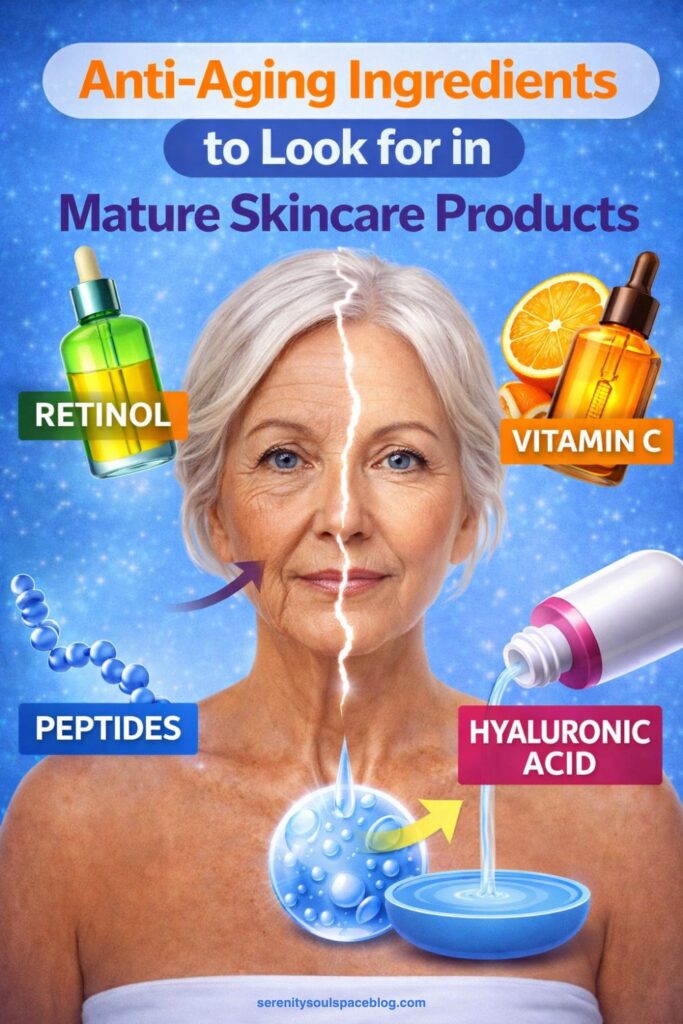
Retinol is the gold standard for a reason. It speeds up cell turnover, softens fine lines, and tells your skin to make more collagen. Start slow because your skin needs time to adjust. Using too much too fast will leave you red and flaky. Most people do well starting two nights a week and building from there.


Hyaluronic acid is a humectant, which means it pulls moisture from the environment into your skin. One molecule can hold up to 1,000 times its own weight in water. The result is skin that looks plumped and feels soft. It works well under a moisturizer to seal everything in.


Vitamin C is the antioxidant your morning routine needs. It fights free radical damage from pollution and sun exposure while brightening dull skin and supporting collagen production. Look for it in a serum and use it before sunscreen.


Peptides are small chains of amino acids that act like signals to your skin. They tell your cells to produce more collagen and elastin. As your natural supply decreases with age, peptides in your serum or moisturizer help fill in that gap.


Niacinamide is the steady, dependable one in the lineup. It strengthens your skin barrier, evens out redness, and helps regulate oil production. It plays well with almost every other ingredient, so it is a good choice if you are building a layered routine.


AHAs like glycolic acid work on the surface by dissolving the dead skin cells sitting on top and revealing fresher skin underneath. Regular exfoliation keeps your skin looking more awake and helps your other products absorb better.


BHAs like salicylic acid go deeper. They get inside the pore and clean it out. If you deal with enlarged pores or occasional breakouts alongside aging concerns, a BHA cleanser or toner a few times a week covers both problems at once.


Coenzyme Q10 is an antioxidant your body already produces, but production slows as you get older. Adding it through skincare helps protect against oxidative stress, which is one of the main drivers of visible aging.


Bakuchiol is the retinol alternative worth trying if your skin reacts poorly to traditional retinol. It delivers similar results: collagen support, smoother texture, softer lines. It tends to be gentler, making it a solid option for sensitive skin types.


Resveratrol shows up in a lot of anti-aging serums for good reason. Found naturally in grapes and berries, it protects skin from environmental damage and supports a clearer, more even complexion over time.

How to Actually Use These Ingredients

Knowing which ingredients work is only half of it. The other half is putting them together in a way that makes sense for your skin.

Start by figuring out your skin type.


If your skin leans oily, heavy creams will feel suffocating. Go for lightweight gels and fluid serums.


If you tend toward dryness, richer formulas will keep your barrier from feeling stripped.


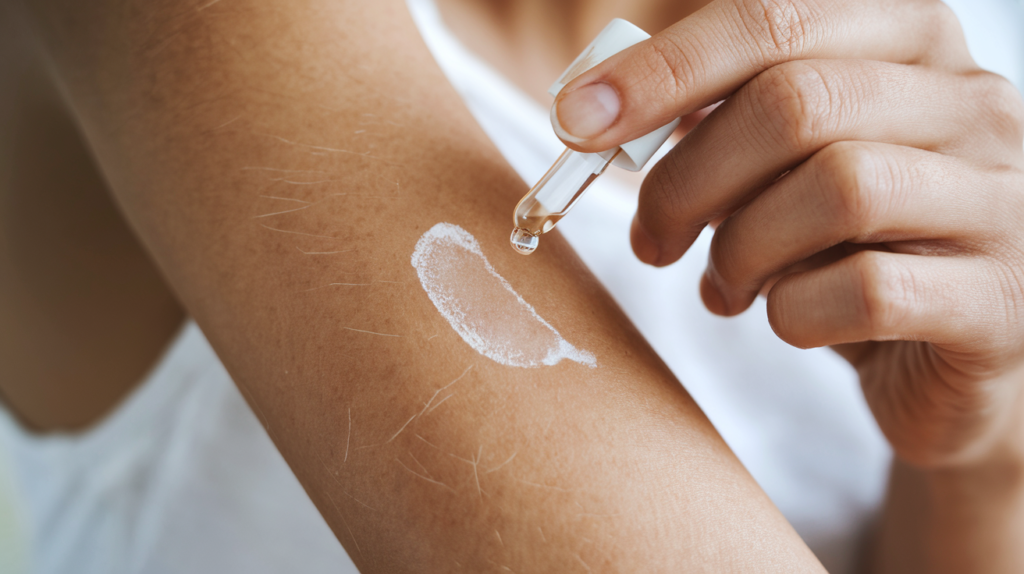
When adding a new product, patch test it first. Apply a small amount to your inner arm or jawline and wait 24 to 48 hours. Your face will thank you for this step.


The order you layer products matters (this is a basic order not set in stone):


  1. Start with a gentle cleanser, then a toner if you use one.

  2. Apply serums next since they are lightweight and packed with actives.

  3. Moisturizer goes on after to lock everything in.

  4. Sunscreen is last in the morning and non-negotiable.


Timing matters also.


Retinol goes on at night because it makes your skin more sensitive to sunlight.


Vitamin C is a morning ingredient because it shields your skin through the day.


By the way, you don’t have to use everything at once. A simple routine done consistently will always outperform a complicated one you abandon in two weeks.


Pay attention to how your skin responds. Some redness when introducing retinol is normal. Persistent irritation, flaking, or tightness is your skin telling you to back off and slow down.

What to Look For on Labels and What to Skip

The skincare market is full of promises that sound better than they perform.


To recap, the following are a few things to keep in mind when shopping:


Look for products that list their active ingredients and concentrations. Transparent brands do this.


If a product hides behind “proprietary blend” language and won’t tell you how much retinol is actually in the formula, that is a red flag.


Avoid anything promising overnight transformation. Good skincare is a slow build. You will start noticing small improvements in texture and tone within a few weeks, but the bigger changes take months of consistency.


Check the ingredient list for harsh fragrances and sulfates. Both can compromise your skin barrier over time, which works against everything else you are trying to do.


Parabens are another ingredient worth avoiding. The research on them is mixed, but many formulations have moved away from them entirely, so you have plenty of options that leave them out.


The best routine is not the most expensive one or the one with the most steps. It is the one with the right ingredients for your skin, applied consistently, and adjusted as your skin changes season to season and year to year.


Start simple, stay consistent, and build from there.

50 Ways to Love Yourself Without Spending a Dime

Join our self-love circle and I’ll send the guide straight to your inbox! Simple, soulful tips you can start using today.